The Small Evening Habits Many Adults Over 50 Use to Unwind a Long Day
Feeling a little stiffer than you used to isn't unusual as the years go by. Here's a look at the simple, practical routines people are building into their day — and why the last hour before bed may matter more than you think.
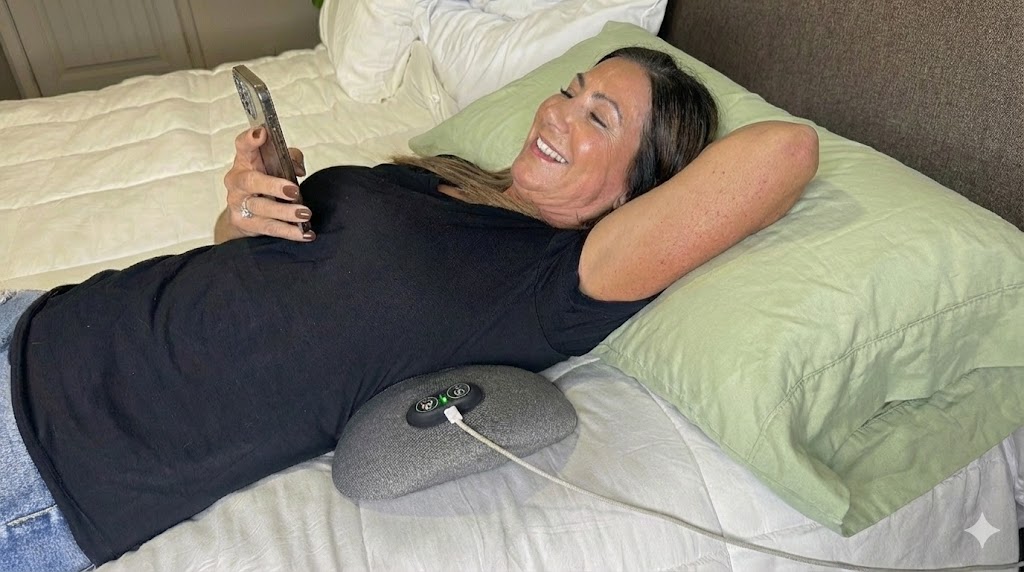
If you're over 50, you've probably noticed it: mornings take a little longer to get going, sitting through a long drive leaves you feeling tight, and by evening your back has "had enough" of the day. For most people, this is simply part of how the body changes with age — muscles gradually lose some elasticity, we tend to sit more than previous generations did, and everyday tension has fewer chances to release.
The encouraging part is that comfort in later decades is strongly shaped by daily habits. None of them are complicated, and most cost little or nothing. Below are four routines that come up again and again when people over 50 describe what helps them feel looser and more at ease day to day.
1. Break up long stretches of sitting
Sitting itself isn't the enemy — staying in any one position for hours is. Many people find that simply standing up every 30 to 45 minutes, walking to the kitchen, or doing a slow lap around the house makes the end of the day feel noticeably different. If you work at a desk or spend evenings in a favorite chair, a small timer or a habit like "stand up every time a show ends" can do a lot of quiet work over a week.
2. Keep a short, gentle stretching routine
You don't need a yoga class or 45 free minutes. A five-minute routine — reaching overhead, gentle side bends, knees-to-chest while lying down — done consistently tends to matter more than an ambitious routine done occasionally. Moving slowly and stopping well short of discomfort is the general rule most instructors give for older adults. If you're unsure where to start, a physiotherapist or qualified instructor can suggest movements suited to you.
3. Make warmth and massage part of winding down
There's a reason a warm shower feels so good at the end of the day: warmth encourages muscles to relax, and kneading or massaging tight areas is one of the oldest comfort rituals there is. For a long time, that meant booking an appointment or asking a very patient spouse. In recent years, at-home massage devices have become a popular middle ground — a way to build a few minutes of massage into an evening routine without leaving the house.
4. Set up your sleep for comfort
How you spend the night affects how the morning feels. Side sleepers often do well with a pillow between the knees; back sleepers with a small pillow under them. A mattress that has clearly softened or sagged over the years is worth replacing. And going to bed relaxed — rather than tense from the day — is part of why so many people build a deliberate wind-down ritual in the first place.
One option people are adding to their evening routine
Among at-home massage devices, one that has been getting attention from older adults is the Orevive SpineEase™, a compact electric massager designed to be used at home as part of a daily relaxation routine.
A few things about how it's built:
- Rotating massage nodes that provide a gentle kneading motion along the back
- An optional warmth setting, for those who like heat with their massage
- A shape designed to be used on a chair, sofa, or lying down
- Simple controls intended for short sessions — many users keep it to 10–15 minutes in the evening
SpineEase™ is a general wellness device — it's made for relaxation and everyday comfort, not as a medical product. People who enjoy it tend to describe it the way they'd describe a warm shower or a good stretch: a pleasant ritual that helps them wind down at the end of the day.
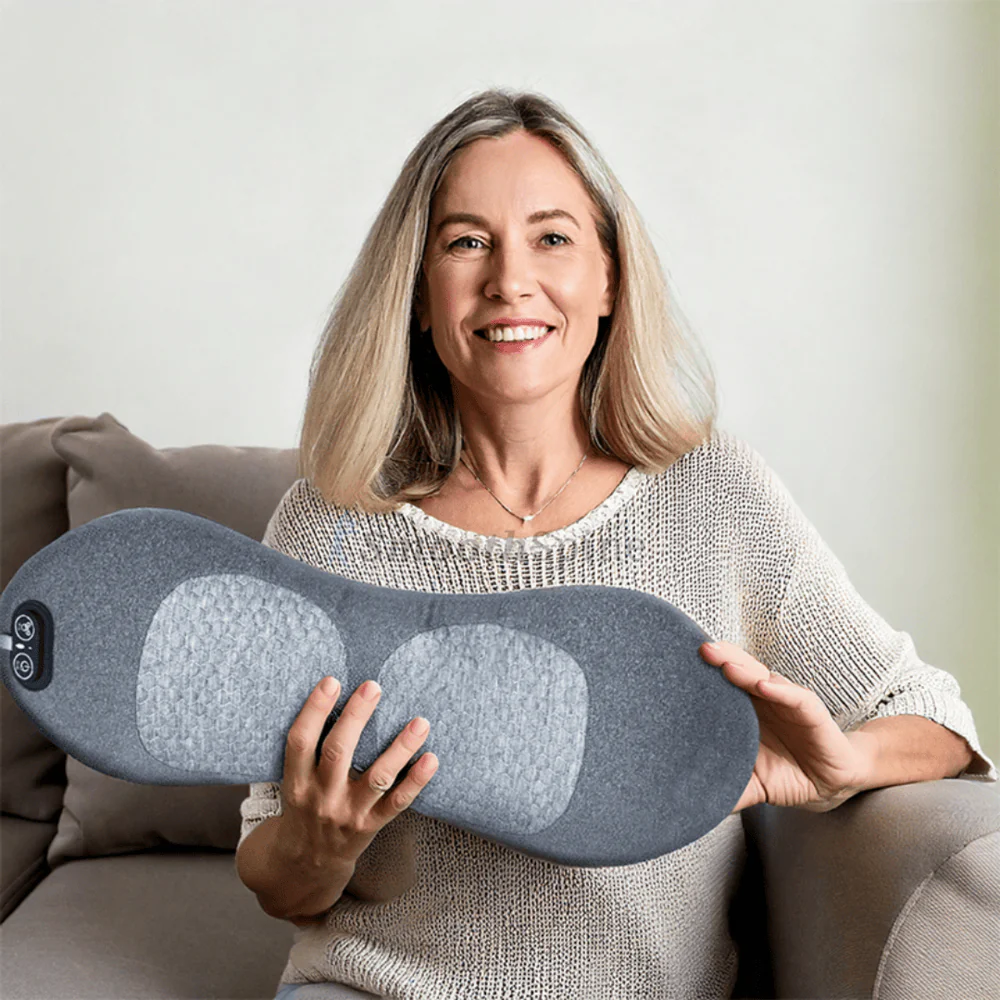
Availability and pricing are shown on the official product page.
A few things to keep in mind
Everyone's body and situation are different. Massage devices are a comfort tool, not a substitute for professional care — if you have an ongoing health concern, a recent injury, or you're simply unsure whether massage is right for you, it's worth speaking with your doctor or physiotherapist first. And whichever habits you choose, consistency beats intensity: small routines done daily are what most people credit when they say they feel better at 60 than they expected to.